 Official supplier NATO CAGE CODE: AR679
Ranger School Boots: What Soldiers Recommend and Why
Choosing the right boots for Ranger School isn’t about finding the most expensive pair or the lightest model on the market. It’s about selecting footwear that can keep up with one of the U.S. Army’s most demanding leadership courses—where long movements under load, unpredictable terrain, limited recovery, and changing weather conditions put every piece of gear to the test.Ask a group of Ranger graduates which boots they wore, and you’ll likely hear different model names. Ask them what mattered most, however, and the answers become remarkably consistent. A secure fit. Reliable traction. Enough support for long ruck marches without sacrificing mobility. Boots that drain quickly after water crossings instead of staying soaked for hours. And, above all, boots that have been thoroughly broken in before day one.
No boot can make Ranger School easier, nor can any manufacturer guarantee success. Performance ultimately depends on physical preparation, mental resilience, and sound fieldcraft. But wearing boots that match your training environment and fit your feet correctly can help reduce avoidable discomfort, allowing you to focus on the mission instead of your footwear.
This guide explores the characteristics experienced soldiers and military communities consistently emphasize when discussing Ranger School boots. We’ll explain why certain features matter, highlight common mistakes candidates make before reporting, and compare Garmont Tactical’s AR 670-1 compliant models to help you choose the boot that best matches your training style and operational needs.
What Makes Ranger School Different?
Ranger School is widely considered one of the most physically and mentally demanding leadership courses in the U.S. Army. Success isn’t determined by your gear alone—but every piece of equipment is pushed to its limits, especially your boots.Unlike a single training event or weekend ruck, Ranger School combines long-distance movements, heavy loads, sleep deprivation, and constantly changing terrain. That means your footwear must perform consistently, day after day, even when conditions become unpredictable.
A boot that feels comfortable during a short training session may perform very differently after hours of movement carrying a loaded rucksack.
Why boot selection matters
Experienced soldiers often agree on one point: your boots should help you forget you’re wearing them.The right pair can help you:
- Maintain stability while carrying heavy loads.
- Reduce unnecessary foot movement that can lead to hot spots and blisters.
- Provide reliable traction on rock, mud, loose dirt, and wet surfaces.
- Drain and dry efficiently after water crossings.
- Stay comfortable during long periods of continuous movement.
Different phases, different challenges
One reason boot recommendations vary is that Ranger School isn’t a single environment. Each phase places different demands on your footwear.| Ranger School Phase | Main Challenges | Boot Characteristics That Matter |
| Benning Phase | Long rucks, land navigation, obstacle courses, mixed terrain | Comfort, durability, stability, all-around performance |
| Mountain Phase | Steep climbs, rocky trails, uneven ground | Ankle support, traction, underfoot stability |
| Florida Phase | Heat, humidity, swamps, mud, frequent water crossings | Breathability, drainage, fast drying, dependable grip |
Because of these changing conditions, there is no universally “best” Ranger School boot.
Instead, experienced military personnel typically recommend choosing footwear based on your training environment, expected load, foot shape, and the type of terrain you’ll spend the most time on.
That’s why the conversation shouldn’t start with “Which boot is the best?” It should start with “Which boot is best for the way I’ll train and operate?”
What Soldiers Consistently Recommend
Spend enough time reading military communities, talking with experienced service members, or preparing for Ranger School, and you’ll notice something interesting: boot brand preferences vary, but the reasons behind those recommendations are remarkably consistent.Rather than focusing on a specific model, experienced soldiers tend to prioritize a handful of characteristics that directly affect comfort, mobility, and long-term performance under load.
Weight: Lighter Isn’t Always Better
A lighter boot can help reduce fatigue during long movements, improve agility, and make every step feel less demanding—especially during high-tempo training.However, the lightest boot isn’t automatically the best choice.
As the weight of your rucksack increases, you’ll also rely more on underfoot support, stability, and protection. Choosing the lightest possible boot at the expense of support may lead to unnecessary fatigue on uneven terrain.
Consider a lightweight boot if you:
- Prioritize speed and mobility.
- Train primarily on established trails or mixed terrain.
- Carry moderate loads during most rucks.
- Want to reduce overall weight without sacrificing AR 670-1 compliance.
Stability: Support Matters Under Load
Ranger School includes long movements while carrying heavy equipment, often across uneven ground, loose rock, steep slopes, and muddy trails.In these situations, stability becomes just as important as comfort.
A stable boot helps:
- Reduce excessive foot movement inside the boot.
- Improve balance on uneven terrain.
- Increase confidence during descents and side-hill movement.
- Support the foot during long hours under load.
Remember: Even the best outsole can’t compensate for a boot that doesn’t fit your foot correctly.
Drainage: Why Fast Drying Often Matters More Than Waterproofing
One of the most common pieces of advice shared by experienced soldiers is surprisingly simple:Wet feet aren’t always the problem—boots that stay wet are.
Depending on your training environment, especially in warm or humid conditions, many operators prefer boots that drain water quickly and dry efficiently rather than fully waterproof models that may retain moisture once water gets inside.
This is particularly relevant during environments involving:
- Water crossings.
- Heavy rain.
- Swamp or marsh terrain.
- High humidity.
- Repeated exposure to wet vegetation.
Choose footwear based on the environment you’ll train in—not a single feature.
Break-In: Never Let Ranger School Be Your First Test
Even the highest-quality tactical boots need time to adapt to your feet.One of the biggest mistakes candidates make is showing up with boots that have only been worn casually—or not at all.
A proper break-in period allows you to:
- Identify pressure points early.
- Test different sock combinations.
- Adjust your lacing technique.
- Build confidence before carrying heavier loads.
- Reduce the likelihood of developing preventable hot spots and blisters.
Rule of thumb: If you haven’t completed multiple loaded training rucks in your boots, they’re probably not fully broken in.
Durability: Built for Repeated Use, Not Just One Event
Ranger School isn’t a single hike or weekend field exercise. Your boots must perform day after day, often in abrasive conditions that accelerate wear.Durability isn’t only about how long a boot lasts—it’s about how consistently it performs throughout extended training.
Look for features such as:
- High-quality suede leather uppers for abrasion resistance.
- Reinforced stitching in high-stress areas.
- Durable outsoles that maintain traction over time.
- Cushioned footbeds designed for prolonged wear.
- Hardware that withstands repeated lacing and heavy use.
The goal isn’t simply to finish Ranger School with your boots intact—it’s to wear boots that continue performing from day one to the final phase.
Common Mistakes Before Ranger School
Preparing for Ranger School means months of physical conditioning, ruck training, and equipment selection. Yet when it comes to boots, many candidates make avoidable mistakes that can lead to unnecessary discomfort during training.While no boot can eliminate the demands of Ranger School, avoiding these common errors can help you start with the right foundation.
Buying boots at the last minute
One of the most common mistakes is waiting until just before reporting to purchase new boots.Even high-quality tactical boots need time to adapt to your feet. A gradual break-in period allows you to identify pressure points, fine-tune your lacing, and build confidence before carrying heavier loads.
Choosing the wrong boot for your environment
No single boot excels in every condition.For example:
- Lightweight, breathable boots are often preferred for warm-weather training and fast-paced movement.
- Supportive boots are better suited for heavier rucks and rugged terrain.
- Insulated waterproof boots become valuable during cold-weather operations.
Prioritizing weight over support
Lightweight boots can improve agility, but less weight shouldn’t come at the expense of stability.If your training includes heavier loads or uneven terrain, adequate support can become just as important as reducing boot weight.
The best choice is usually the one that balances mobility, comfort, and stability for your specific mission.
Ignoring fit
Even the most advanced tactical boot won’t perform well if it doesn’t fit correctly.A secure fit helps:
- Reduce heel lift.
- Minimize foot movement.
- Improve stability.
- Lower the risk of hot spots and blisters.
Forgetting the rest of your foot care system
Boots are only one part of the equation.Performance also depends on:
- Proper socks.
- Correct lacing techniques.
- Nail care.
- Gradual conditioning.
- Regular foot inspections during training.
How to Choose Boots for Your Training Style
Instead of asking “What’s the best Ranger School boot?”, ask a more useful question:“Which boot best matches the way I’ll train and the conditions I’ll face?”
The answer depends on several factors, including terrain, climate, load weight, and personal preferences. Understanding these variables will help you narrow your options and choose a boot that supports your performance throughout training.
Ranger School Boot Decision Checklist
Before choosing your boots, ask yourself the following questions:- Will most of your training take place in hot, humid, or cold conditions?
- How much weight do you typically carry during loaded rucks?
- Will you spend more time on trails, rocky terrain, forests, or mixed environments?
- Do you prioritize lightweight mobility or maximum support?
- Have you completed several loaded training sessions in these boots?
- Are they fully broken in?
- Do they comply with AR 670-1 requirements?
- Have you tested them with your preferred socks and lacing system?
Comparison Matrix: Garmont Tactical Boots at a Glance
| Model | Best For | Weight* | Waterproof | Key Strength | AR 670-1 |
| T8 BIFIDA | Heavy rucks & rugged terrain | 675 g | No | Maximum support and stability | ✅ |
| T8 NFS 670 | Speed & lightweight movement | 505 g | No | Lightweight performance | ✅ |
| T8 FALCON | Warm climates & everyday training | 510 g | No | Breathability and agility | ✅ |
| T8 EXTREME WP 400G | Winter operations | 730 g | G-Dry | Insulation and waterproof protection | ✅ |
| T8 EXTREME EVO GTX® | Wet & cold environments | 690 g | GORE-TEX® | Waterproof protection and durability | ✅ |
How to Break In Boots Properly
Never let Ranger School be the first real test for your boots.Wear them during progressively longer training sessions and loaded rucks to ensure the fit, support, and comfort meet your expectations. By the time you report, your boots should already feel like part of your kit—not a new piece of equipment.
Best Garmont Tactical Boots for Ranger School
The best Ranger School boot depends on how and where you train. Whether you prioritize lightweight mobility, enhanced stability under heavy loads, maximum breathability, or protection in cold and wet environments, Garmont Tactical offers an AR 670-1 compliant solution for every mission profile.Explore the Garmont Tactical lineup:
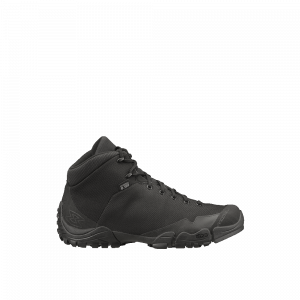
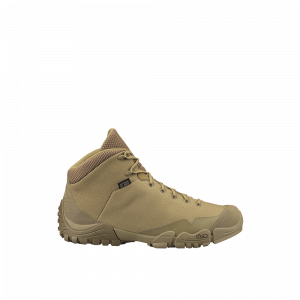
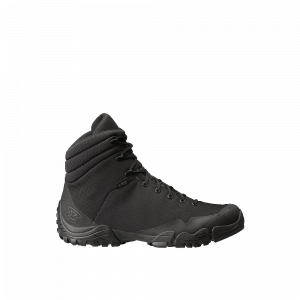
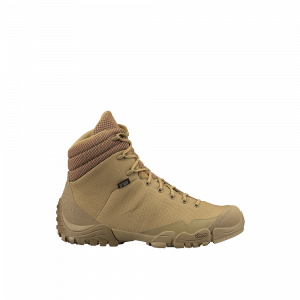
- T8 BIFIDA – Built for heavy loads, rugged terrain, and maximum stability.
- T8 NFS 670 – Lightweight and agile for fast-paced movement and long training days.
- T8 FALCON – Highly breathable for warm climates and dynamic operations.
- T8 EXTREME WP 400G THINSULATE™ – Insulated and waterproof for harsh winter conditions.
- T8 EXTREME EVO GTX® – Waterproof protection for prolonged operations in cold and wet environments.
Frequently Asked Questions
What are the best boots for Ranger School?
There isn’t a single boot that’s right for every Ranger School candidate. Across military communities, the same advice comes up repeatedly: choose AR 670-1 compliant boots that fit your feet well, are fully broken in, and match the terrain and climate you’ll train in. Comfort, stability, traction, and reliability matter far more than following the latest trend.Should I wear new boots to Ranger School?
No. This is one of the most consistent recommendations shared by Ranger graduates and experienced soldiers.Your boots should already be broken in through multiple training sessions and loaded rucks before you report. Ranger School is designed to test you—not your new footwear.
Are lightweight boots better for Ranger School?
Lightweight boots can help reduce fatigue and improve mobility, especially during long movements. However, if your training involves heavier rucks or rugged terrain, additional support and stability may be more valuable than saving a few ounces.The best choice depends on your training style and expected conditions, not simply on weight.
Should I choose waterproof or non-waterproof boots?
It depends on where you’ll train.For cold and wet environments, waterproof boots help keep feet warm and protected. In hot or humid conditions, many experienced soldiers prefer highly breathable, fast-draining boots because they dry more quickly after water crossings or heavy rain. This is a recurring theme in discussions about Florida Phase and warm-weather training.
How should Ranger School boots fit?
Your boots should feel secure around the heel without creating pressure points, while leaving enough room for your toes to move naturally during long rucks.Excessive heel movement is one of the most common causes of hot spots and blisters, so always test your boots with the same socks you’ll wear during training.
How many pairs of boots should I bring?
Many Ranger graduates recommend bringing more than one pair of authorized boots when possible.Rotating boots allows one pair to dry completely after wet training and gives you an alternative if one pair becomes uncomfortable or excessively worn during the course. Always follow the current Ranger School packing list and your unit’s guidance.
Which Garmont Tactical boot is best for heavy rucks?
If your priority is maximum support and stability under heavier loads, the T8 BIFIDA is designed specifically for demanding terrain and extended load-bearing activities while remaining fully AR 670-1 compliant.